Have iron deficiency? Here’s your quick guide of tips & tricks
Iron deficiency is very common among us women - and who would be surprised, when we are bleeding every month for days on end? Not only that, but in a world where we are all time poor and seem to have less time to make nourishing meals, we rely on convenience foods that may not provide us with the nutrition we need to thrive.
I’ve tracked my iron intake & it can be hard to get our recommended 18mg of iron per day for menstruating women. We have to be intentional not only with our nutrition, but with investigating the factors that may be getting in the way of optimising your iron status.
Enter: Your quick guide to iron deficiency.
1) Determine if you’re iron deficient. Get a blood test from your GP including Iron Studies & a CBC
What is classed as iron deficiency?
Ferritin below approximately 30 µg/L is generally considered consistent with iron deficiency in otherwise healthy adults, but interpretation should always be considered alongside inflammation markers and the rest of your iron studies & interpreted alongside your personal lab trends, what is normal for you, and your signs and symptoms.
Tip: If you have elevated CRP or ESR in your blood test, your ferritin level may be elevated because it can increase with systemic inflammation.
There are other iron studies markers that help confirm this, but for the sake of a ‘quick guide’ I’ll save this for another post!
Iron deficiency is not to be confused with iron deficiency anaemia - this is where your deficiency has gotten so bad that your haemoglobin drops below 120g/dL for women, or below the reference ranges for pregnant women (although this needs nuanced interpretation across the different trimesters)
You’ll usually have some of the classic signs and symptoms, such as:
Fatigue
Cold hands and feet
Pale skin
Shortness of breath
Racing heart
Weakness
Headaches
Brittle nails
Hair loss
Cravings for ice or clay (‘pica’)
Reduced exercise tolerance
Dizziness
Poor concentration/ brain fog
2) Hone in on the causes of your iron deficiency so you know where to direct your efforts:
Common causes of iron deficiency:
Heavy menstrual bleeding
Low dietary intake of iron
Vegetarian or vegan diet (if dietary intake of iron is poor)
History of restrictive eating/ eating disorders
Poor diet quality/ low intake of iron rich foods
Digestive dysfunction
Reduced stomach acid may reduce iron absorption
Certain gastrointestinal conditions that impair absorption
Increased iron requirements
Pregnancy
Adolescence
Endurance athletes
Other medical factors, including but not limited to:
Inflammatory bowel disease (IBD)
Coeliac disease
Ongoing blood loss from other medical conditions e.g. stomach ulcers, gastritis, haemorrhoids
3) Address your individual factors contributing to iron deficiency
Optimise your diet for iron intake
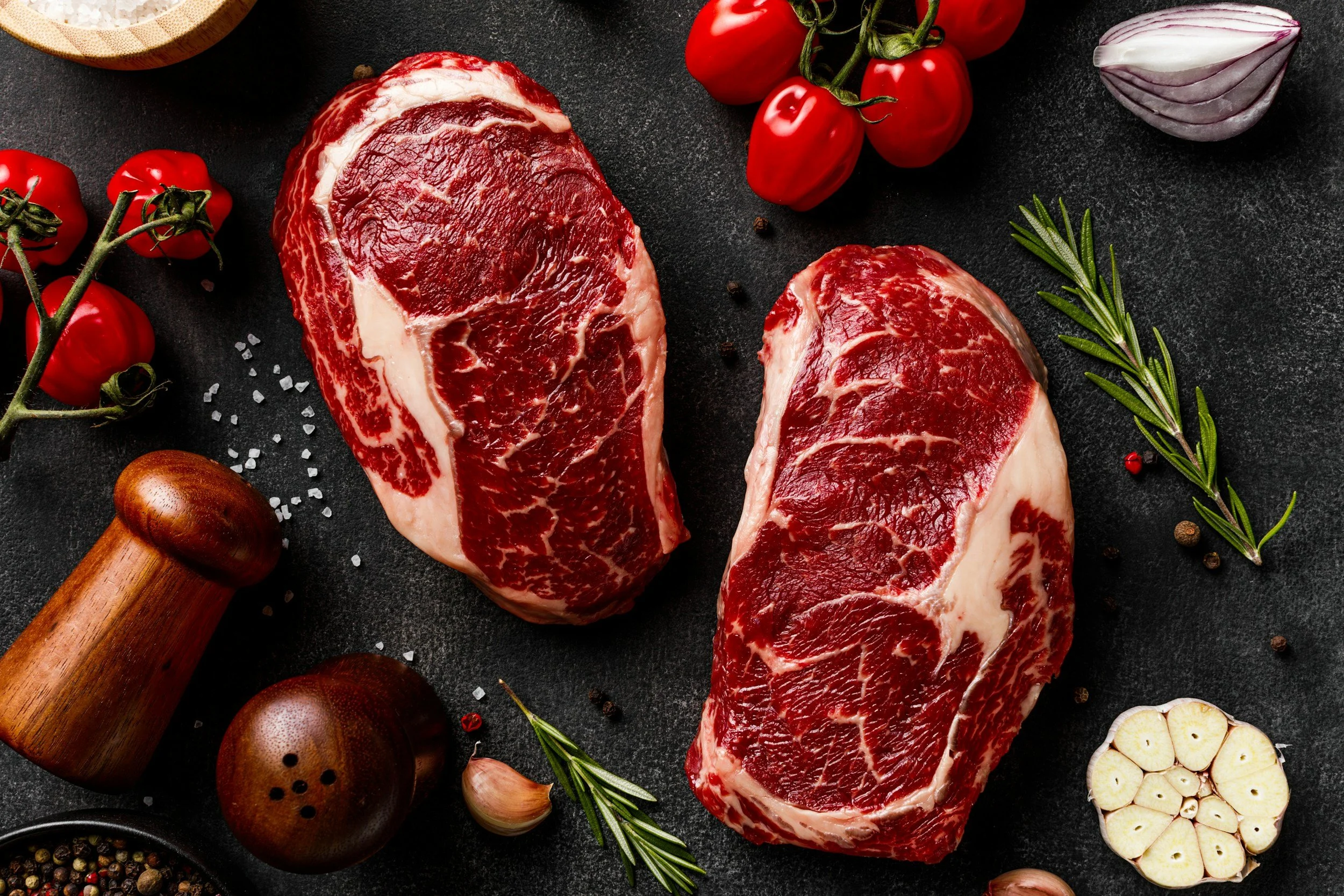
Get in some lean red meat a couple of times a week such as beef, lamb or even kangaroo
Have other lean meats such as chicken & seafood, which each contribute smaller amounts of iron
Utilise plant sources of iron such as dark leafy greens, lentils, quinoa, legumes, tofu, pumpkin seeds, cocoa powder - be sure to pair them with a vitamin C-rich food to optimise absorption such as capsicum, kiwi, some orange juice, broccoli, strawberries, kale, pineapple, lemon, guava & blackcurrants
This way of intentional eating may require you to set aside some time for meal preparation, so plan out a few hours in your week to prioritise your nutrition
If you have a history of an eating disorder and are struggling with the thought of increasing your food intake to address your iron levels, reach out to health professional for support
If you are overwhelmed at the though of planning your food for optimal iron intake, I’m here to help
Separate your iron consumption from iron inhibitors
Some things inhibit our iron absorption if we consume them at the same time:
Tea
Coffee
Calcium supplements
Avoid consuming these with iron supplements or iron-rich meals, or space out consumption by 1-2 hours
Prioritise your digestion
Aim to eat meals in a relaxed environment - when your body feels safe and in its ‘rest and digest’ state, it can prioritise digestion, stomach acid production, and ultimately better iron absorption
Chew your food well - the more you chew, the easier digestion is when it gets to your stomach and beyond
Utilise digestive supports if needed - apple cider vinegar before meals, digestive bitters, or targeted HCl supplementation
Consider exploring a gut microbiome test with a health practitioner for those with a history of gut issues and ongoing persistent iron deficiency
Address the medical factors causing increased iron loss
Discuss your medical conditions with your GP & ways to minimise ongoing blood loss e.g. heavy menstrual bleeding
Investigate with your GP whether there are underlying medical conditions contributing to your iron deficiency e.g. Coeliac disease, IBD
Consider adding in an iron supplement
This is best started once you have addressed digestion and have optimised your dietary iron intake, as oral iron can sometimes worsen gastrointestinal symptoms
Utilise a gentle, well-absorbed form of iron such as iron bisglycinate
Take 1-2 hours away from coffee, tea or calcium supplements
Consider alternate-day dosing, as this may be just as effective as daily dosing and may minimise gastrointestinal side effects
Take on an empty stomach, unless this exacerbates any digestive issues
4) Retest and seek support from health professionals if iron deficiency persists
You shouldn’t have to put up with the persistent symptoms of iron deficiency - you deserve to be full of energy and joy that fuels you to live a life of purpose.
If you retest after 3-4 months of strategic and consistent dietary iron intake, investigate underlying medical conditions, work on your digestion, and even add in an iron supplement and still haven’t moved your iron in the right direction - it may be time for some more support.
I work with many women with iron deficiency & sometimes what moves the needle is working with someone to optimise your nutrition, have eyes on your blood tests to interpret your results, develop a personalised supplementation plan, and recommended further testing to get to the root of why you are stuck.
If you need one-on-one support, you can book an intro call or consultation here. I see clients in-person in Adelaide and online Australia-wide. I would love to work alongside you to get you feeling your best and having the energy again to do the things you love.
Yours in health,
Mel Docking | BHSc (ClinNut), BNutDiet, CPN